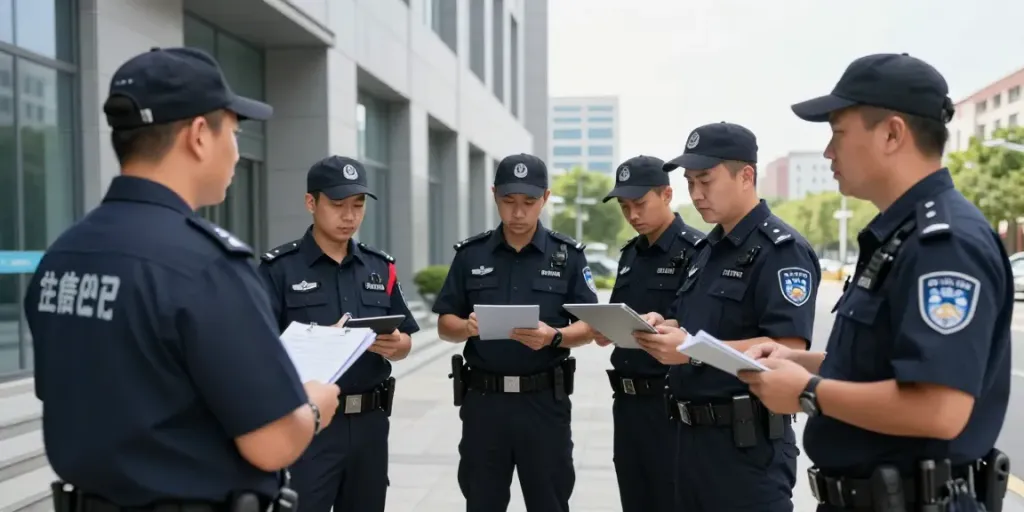
Understanding Corporate Security Services
In today's rapidly changing business landscape, the need for robust corporate security has never been more paramount. Corporate security refers to a comprehensive range of measures designed to protect organizations, their personnel, assets, and sensitive data from various internal and external threats. As crime patterns evolve and become more sophisticated, organizations—especially those in metropolitan areas like London—must prioritize their security strategies. When exploring options, Corporate Security services can provide invaluable insights and tailored solutions to address specific security concerns.
What is Corporate Security?
Corporate security involves protecting a company’s tangible and intangible assets. This can encompass physical security measures, cybersecurity protocols, and emergency response strategies. Corporate security is aimed not only at mitigating risks but also at aligning security measures with overall business operations and objectives. By integrating security into the business framework, organizations can safeguard their reputation, ensure compliance regulations are met, and enhance overall operational efficiency.
Importance of Corporate Security for Local Businesses
For local businesses, corporate security plays an essential role in ensuring operational continuity and fostering customer trust. With the rise in crime rates and the prevalence of remote working, the lines of asset protection have blurred. Organizations can face significant financial losses due to theft, vandalism, and data breaches. Additionally, incidents of this nature can severely impact customer confidence and business reputation. Effective corporate security not only protects assets but also reinforces a company's commitment to safeguard its customers and employees.
Common Corporate Security Services Offered
The array of services that fall under corporate security is vast, catering to the individual needs of each business. Common services include:
- Access Control: Regulating who can enter what parts of a facility.
- Surveillance Systems: Use of cameras and monitoring systems to deter criminal activity and gather evidence.
- Cybersecurity Solutions: Protecting sensitive data and preventing cyber attacks.
- Personnel Security: Ensuring that employees feel safe at the workplace and safeguarding them from potential threats.
- Emergency Response Planning: Creating protocols to follow in case of incidents such as breaches, evacuations, or natural disasters.
How to Choose the Right Corporate Security Provider
Selecting a corporate security provider can be a daunting task, but understanding key features can ease the selection process. It is essential to partner with a company that aligns with your security needs and company values.
Key Features to Look For in Corporate Security Companies
When evaluating potential providers, consider the following features:
- Experience and Expertise: Look for companies with a proven track record in corporate security, especially in your industry.
- Customized Solutions: A good provider should be able to tailor security services to meet the specific needs of your business.
- Technology Use: Investigate whether the company uses advanced technology (like surveillance and access control systems) that integrates with your operational workflow.
- Customer Support: Effective communication and support systems can ensure swift responses to any issues that arise.
Important Certifications and Accreditations
Ensure the security provider holds relevant certifications and accreditations. In the UK, notable certifications include SIA Approved Contractor Scheme (ACS) and NSI Guarding Gold, which assure clients of the company's commitment to high standards of service. These qualifications demonstrate rigorous compliance with industry regulations and best practices, providing peace of mind to potential clients.
Reading Customer Reviews and Testimonials
Customer feedback can be a vital indicator of a provider’s reliability and service quality. Look for testimonials on the company’s website, and consider independent review platforms to gauge customer satisfaction. Inquire about their experiences, responsiveness, and the effectiveness of the services provided. This information can help you make a more informed decision.
Corporate Security Pricing Guide
Understanding the costs associated with corporate security services is crucial for budget planning. Prices can vary significantly based on various factors, including the complexity of the services required and the level of expertise of the security provider.
Typical Costs of Corporate Security Services
On average, security companies in the UK charge between £12 and £20 per hour for basic security services. This rate can increase for specialized offerings such as cybersecurity consulting or advanced surveillance solutions. Organizations should be prepared for varying price points based on their unique security requirements.
Factors Influencing Security Pricing
Several key factors can influence the pricing of corporate security services:
- Location: Prices may vary depending on the city or region.
- Scope of Services: Comprehensive packages that include various security measures will likely cost more.
- Duration: Long-term contracts may offer discounted rates compared to short-term engagements.
- Risk Level: Areas or businesses with higher perceived risks may incur higher security fees.
Understanding Value vs. Cost in Security Services
It is vital to understand that the cheapest option may not always deliver the best value. A thorough evaluation of services offered, customer feedback, and the company's reputation can provide a clearer picture of which provider will give your business the best return on investment in the long run. Investing in quality security services ensures protection against financial losses and enhances overall business reliability.
Local Regulations and Compliance in Corporate Security
In London, corporate security providers must comply with a series of regulations and licensing requirements to operate legally. Familiarizing yourself with these regulations is essential for selecting the right provider.
Licensing Requirements for Security Providers in London
The Security Industry Authority (SIA) regulates private security companies in the UK. Any company operating in the security sector must hold an SIA license, and security personnel must complete training, pass background checks, and adhere to ongoing professional development standards. Always verify a provider’s licensing before engaging their services.
Compliance with Local and National Security Standards
Corporate security firms must adhere to various local and national security standards to ensure service quality and safety. This includes following policies related to data protection, health and safety, and proper incident management protocols.
Impact of Regulations on Corporate Security Services
Regulatory compliance not only protects the company but also reinforces customer trust. When organizations partner with certified and compliant security services, they demonstrate a commitment to professionalism and customer safety.
Seasonal Corporate Security Tips
With seasonal fluctuations in business activities, particularly during holidays and high-traffic events, it's essential to adapt your security strategies accordingly. This can help mitigate risks associated with increased footfall and potential security breaches.
Preparing for Holiday Events: Security Considerations
During holiday peaks, such as Christmas or New Year celebrations, businesses may require enhanced security measures to manage larger crowds and protect against theft or emergencies. Consider employing temporary security personnel and utilizing advanced surveillance systems to safeguard your premises.
Emergencies and Security Action Plans
Every organization should have an emergency response plan in place in case of unforeseen developments. This should include protocols for various scenarios, such as fires, theft, or medical emergencies, ensuring that both staff and customers know how to respond effectively.
DIY vs. Professional Corporate Security for Events
While some businesses may consider a DIY approach to security for events, engaging a professional security provider brings expertise and specialized knowledge that can significantly enhance safety and efficiency. For more information, Corporate Security offers valuable insights. Professional security personnel are trained to handle security challenges effectively, thereby reducing risk and ensuring a smooth event flow.